
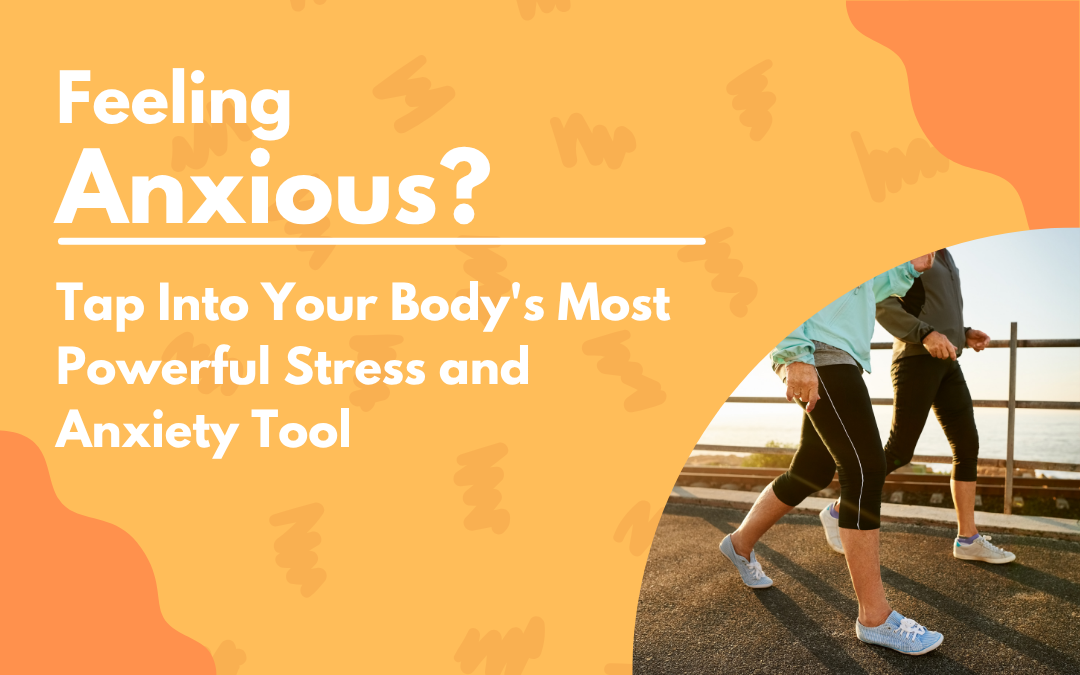
Emotions in Motion: How Exercise Can Be Your Body’s Most Powerful Stress and Anxiety Tool
April is Physical Wellness Month — and there’s no better time to explore one of the most powerful, natural tools we have for anxiety and stress relief: exercise.
We often think of exercise as something purely physical — building strength, improving endurance, or maintaining a healthy weight. While all of that is true, movement goes much deeper. It speaks directly to our nervous system, our emotional landscape, and our capacity to cope with everyday demands. There is a profound connection between how we move our bodies and how we feel on the inside. In fact, if you’ve been searching for natural anxiety relief, you’re in the right place.
How Exercise Supports Your Body’s Stress Response
When stress hits, your body doesn’t distinguish between a looming work deadline and a physical threat in the wild. It responds the same way it always has — by activating your sympathetic nervous system, or the fight-or-flight response.
Here’s what that looks like on the inside:
- Cortisol and adrenaline flood your system
- Your heart rate increases, and your blood pressure rises
- Muscles tighten and brace for action
- Digestion slows, and your breathing becomes shallow
This response is brilliant when you actually need to run or fight. However, when the “threat” is a difficult conversation, a pile of bills, or a never-ending to-do list? That stress chemistry has nowhere to go. It simply sits in your body, creating tension, fatigue, and anxiety.
This is where movement becomes medicine.
Exercise is essentially the original stress response — completed. When you move your body intentionally, you give all of that built-up stress chemistry a healthy outlet. Your body processes the cortisol and adrenaline as intended. As a result, your nervous system gets the signal that the “threat” has passed. The result? A calmer, clearer, more balanced you.
Exercise as a Natural Anxiety Relief Tool
Anxiety can feel like a runaway train with spiraling thoughts, a buzzing body, or an overwhelming sense that something is wrong. Even when everything is fine, it’s exhausting. There are many wonderful approaches to managing anxiety. That said, exercise remains one of the most evidence-supported natural remedies available.
Here’s why exercise for anxiety works so well:
1. It regulates your neurochemistry. Movement triggers the release of endorphins — your body’s natural mood elevators. It also boosts serotonin, dopamine, and GABA, the same neurotransmitters that many anxiety medications target. In other words, exercise gives your brain a natural, sustainable dose of calm.
2. It interrupts the anxiety loop. When we’re anxious, we tend to be very much in our heads. Fortunately, physical movement brings us back into our bodies. Whether it’s a brisk walk, a yoga flow, or dancing in your kitchen, exercise creates a powerful pattern interrupt. It redirects your attention from spiraling thoughts to the present-moment experience of your body in motion.
3. It builds long-term resilience. Regular exercise actually retrains your nervous system over time. Regular aerobic activity has been shown to reduce the baseline reactivity of the stress response. Simply put, you become less likely to spiral when life gets hard. Think of it as building emotional shock absorbers.
4. It promotes better sleep. Anxiety and poor sleep often go hand in hand, feeding each other in a frustrating cycle. Furthermore, exercise is one of the most effective natural sleep aids available. It helps you fall asleep faster, sleep more deeply, and give your nervous system the recovery it truly needs.
Stress Relief Exercises You Can Start Today
Even 20–30 minutes of moderate movement can produce meaningful reductions in anxiety and stress. The research shows that it’s not about intensity. It’s about consistency. For example: a neighborhood walk, gentle stretching, a beginner yoga video, swimming, or cycling. The goal is not perfection or performance. The goal is simply to move.
Some beautiful, low-pressure stress relief exercises to start with:
- A morning walk — fresh air, natural light, and gentle cardio work together to regulate your cortisol rhythm for the entire day
- Yoga or tai chi — both combine movement with breathwork, making them particularly powerful for the nervous system
- Swimming — the rhythmic, full-body nature of swimming has an almost meditative quality that many people find deeply calming
- Strength training — don’t underestimate the emotional empowerment that comes from building physical strength; it translates
Massage Therapy for Stress: A Powerful Pairing with Movement
As a massage therapist, I have seen what chronic stress does to the body. Think tight shoulders, a stiff neck and a lower back that just won’t release.
Regular massage therapy for stress relief helps release tension that accumulates in muscles and connective tissue. It also supports your parasympathetic nervous system — the body’s rest-and-digest mode — and speeds recovery from exercise. Meanwhile, consistent movement keeps your circulation strong, your tissues supple, and your stress hormones regulated between sessions.
Together, they create a powerful rhythm of care that your whole body will thank you for.
A Gentle Invitation for April
Physical Wellness Month isn’t about overhauling your life or committing to an intense new fitness routine. Instead, it’s a gentle invitation to check in on how you’re caring for the body that carries you through every day.
This April, I invite you to start small. Choose one form of movement that genuinely sounds enjoyable, and commit to just 20 minutes, three times a week. Notice how you feel afterward. Pay attention to whether the edges of your anxiety begin to soften. Do you sleep better, breathe a little deeper, or show up feeling more like yourself?
Your body is not the enemy of your emotional health. It is, in fact, one of its greatest allies.
Let’s move — and feel — better together.
If you’d like to explore how massage therapy can support your stress response and complement your movement practice, I’d love to connect. Feel free to reach out or book a session — I’m here to help you feel your best.